
Correct placement of the Elonga sensor is essential for accurate measurements. If the sensor is too loose, positioned incorrectly, or not in proper contact with the skin, it may cause signal loss, inaccurate values, or interrupted measurements.
1. Where should the sensor be placed?
Upper part of the left forearm
Approximately in the middle, on the inner side
Not on the wrist (the sensor is not a smartwatch)
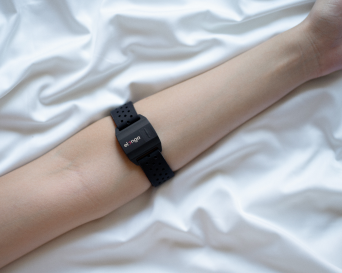
The inner forearm provides ideal skin contact and stable heart-rhythm detection.
Avoid the wrist. Accuracy is significantly reduced.
2. How tight should the strap be?
Tight enough so the sensor does not move
Not so tight that it restricts blood flow
The goal is comfortable, firm contact with the skin
A loose strap can cause signal interruptions or inaccurate readings.
3. When should you pay attention?
Incorrect placement may show up as:
interrupted or unstable signal
unusually low or high heart rate
incorrect measurement results
app alerts about poor signal quality
If these issues repeat, check the sensor position, strap tightness and whether the protective foil on the underside has been removed.
Summary
Best placement: inner forearm, roughly in the middle
Strap: firm but comfortable
Avoid the wrist: it is not accurate there
Stable, unmoving contact with the skin is essential
Was this article helpful?
That’s Great!
Thank you for your feedback
Sorry! We couldn't be helpful
Thank you for your feedback
Feedback sent
We appreciate your effort and will try to fix the article